Paddy Power Retail Network Faces Contraction as Tax and Cost Pressures Mount
Written by Jonas Schmid · Sep 5, 2026

Paddy Power Retail Network Faces Contraction as Tax and Cost Pressures Mount
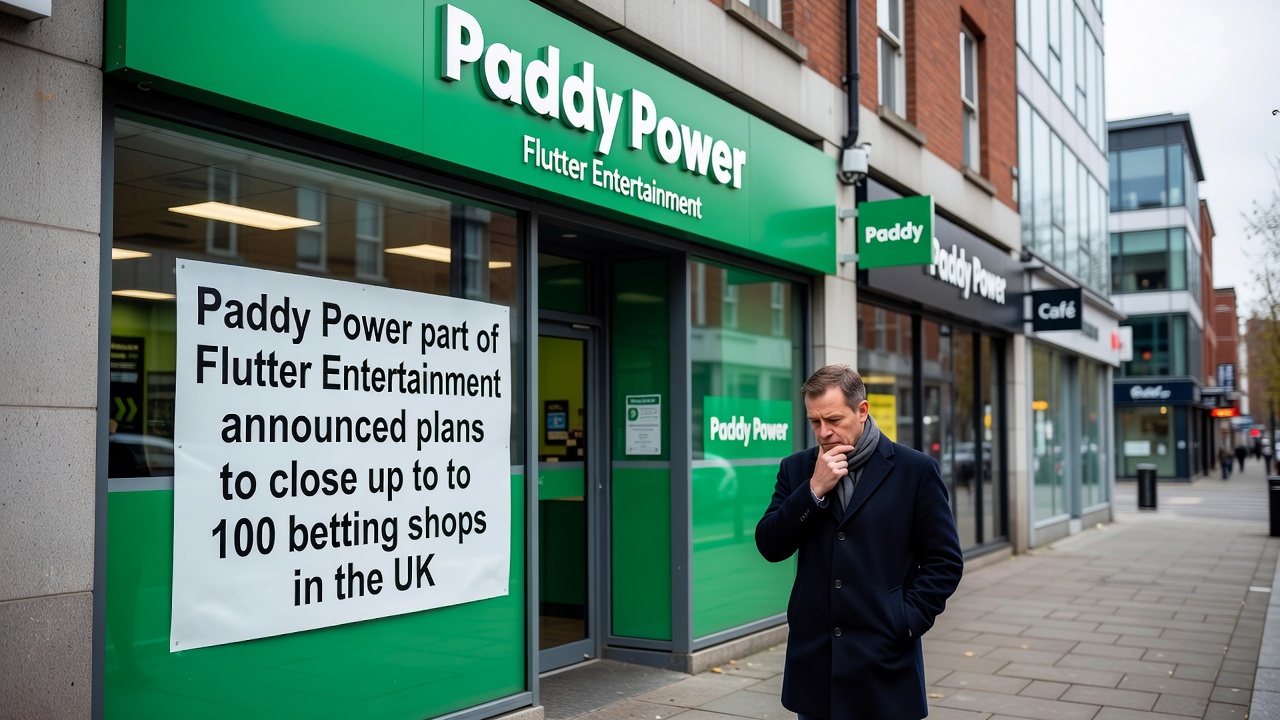
Paddy Power, operating as part of Flutter Entertainment, has outlined plans to shut as many as 100 retail locations across the UK and Ireland before the close of the current year, and this step equals roughly one fifth of the company's physical betting outlets while placing around 400 positions in jeopardy. The decision arrives after comparable reductions at Betfred along with William Hill and Evoke, and observers note the timing aligns with elevated tax obligations introduced in the November 2025 UK budget together with climbing energy expenses, property rents, and business rates.Scale of the Planned Reductions
The closures target a portion of the existing estate that has already experienced gradual shrinkage in recent periods, and company statements indicate the process will unfold progressively through the final months of the year with affected staff receiving support packages during the transition. Data released alongside the announcement shows the combined UK and Irish retail footprint stood near 500 sites prior to this round, which means the proposed cuts represent a substantial contraction in physical presence. Those monitoring the sector point out that similar patterns have appeared elsewhere, and the moves coincide with a broader migration of betting activity toward digital platforms where overheads remain lower.
Budget Changes and Operating Costs
The November 2025 fiscal measures raised remote gaming duty alongside other levies that apply to operators, and Paddy Power officials have cited these adjustments as a primary factor in the profitability calculations for physical shops. Rising energy prices and increased rental and rates demands add further strain, while customer habits continue shifting online at a steady pace. Figures from industry tracking services reveal that online betting volumes have grown consistently, and this trend reduces footfall at many high-street locations. According to the Racing Post coverage of the announcement, the cumulative effect leaves fewer resources available to sustain the full network of stores.
Effects on Employment and Related Sectors
Approximately 400 roles face uncertainty, and the company has indicated that consultations with employees and unions will begin promptly to explore redeployment options where feasible. Job losses of this magnitude ripple outward because staff often support local economies through spending and community ties. At the same time the racing industry stands to lose contributions from the betting levy and media rights payments that flow from retail turnover, and those payments help fund prize money along with breeding and training programs. Reports compiled by racing bodies document the scale of these transfers each year, and any reduction in shop-based wagering directly trims that revenue stream.
Comparable Actions Across the Sector
Betfred and the combined William Hill and Evoke operations have already executed parallel reductions in their shop counts, and the sequence of announcements underscores shared pressures felt by multiple operators. Industry analysts track these developments through filings and statements, and the pattern shows retail estates contracting while digital channels expand. The shift predates the latest tax changes yet accelerates under the new cost structure, and companies continue to rebalance resources accordingly. External data from the European Gaming and Betting Association illustrates how online migration has altered market shares across several European jurisdictions, providing context for the UK and Irish situation.
Timeline and Next Steps
Management expects the majority of identified closures to occur before December 31, although exact site lists and phased dates remain under internal review. Regulatory notifications and local authority discussions form part of the process, and stakeholders in racing circles have begun assessing potential shortfalls in levy income for upcoming seasons. As September 2026 approaches, updated figures on shop numbers and wagering volumes will clarify the longer-term footprint of these decisions across the retail segment.
Conclusion
The Paddy Power announcement encapsulates the intersection of fiscal policy, rising operational expenses, and changing consumer preferences that currently shape the betting landscape. Closures of this order affect staff, suppliers, and downstream sectors such as racing, while reinforcing the ongoing transition toward digital platforms. Continued monitoring of employment data, tax receipts, and industry payments will track how these adjustments settle in the months ahead.