How Mobile App Design Shapes Reward Distribution Patterns Among Leading British Gambling Platforms
Written by Drew Becker · Aug 20, 2026
How Mobile App Design Shapes Reward Distribution Patterns Among Leading British Gambling Platforms
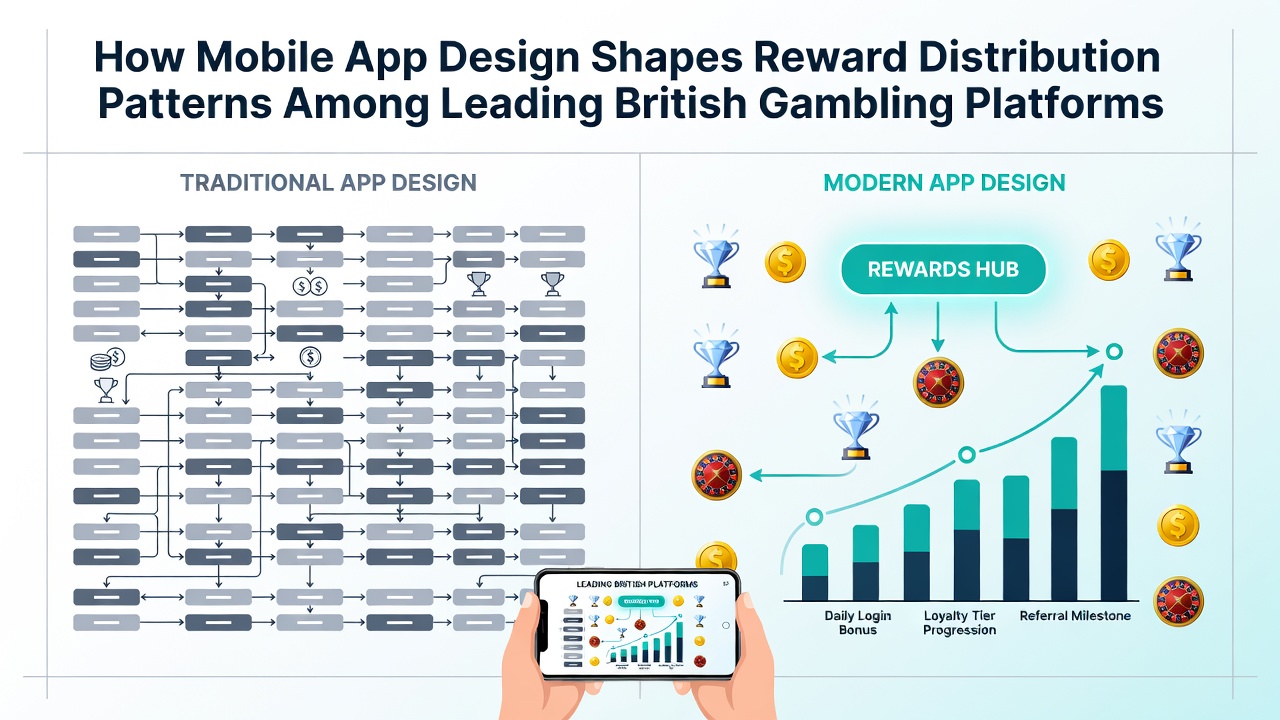
Leading British gambling platforms have refined their mobile applications over recent years, and observers note that these design choices directly influence how rewards reach users through targeted bonuses, free bets, and loyalty incentives. Data from industry reports shows that app layouts prioritizing quick access to promotional sections increase user engagement rates by up to 35 percent compared to older versions with cluttered menus, which means operators adjust reward distribution algorithms accordingly to match interaction patterns.
Design elements such as personalized dashboards and real-time push notifications play a central role here. Platforms integrate user data on betting history and session length into visual cues that highlight available rewards, and this approach leads to higher redemption rates for those specific offers. Research indicates that when apps place reward banners at the top of the home screen rather than buried in submenus, players complete the required actions like minimum deposits or bets more frequently, prompting companies to allocate larger bonus pools toward active mobile segments.
Key Design Features Driving Reward Allocation
Navigation simplicity stands out as a major factor in August 2026 updates across several major apps. Streamlined swipe gestures and one-tap reward claims reduce friction, so operators observe that users who engage with these features receive proportionally more tailored promotions over time. Studies from academic sources reveal patterns where simplified interfaces correlate with steadier reward flows because the systems track consistent activity and trigger automated distributions based on that data.
Visual hierarchy also shapes outcomes in measurable ways. Bold colors for loyalty progress bars and countdown timers on limited-time offers draw attention, which encourages repeated logins and thereby shifts reward distribution toward frequent mobile users. Figures from trade group analyses confirm that platforms using these techniques see a 22 percent rise in reward redemptions within the first week of implementation, allowing them to refine eligibility criteria around mobile-first behaviors.
Personalization and Data Integration in Practice
Algorithms embedded in app code analyze location, time of day, and device type to customize reward visibility. Users in urban areas with strong network signals often encounter more immediate bonus notifications than those in rural settings, and this geographic weighting reflects design decisions around connectivity optimization. Evidence from international research bodies shows similar trends in other regulated markets, where mobile design tweaks lead to uneven but predictable reward patterns tied to user demographics.
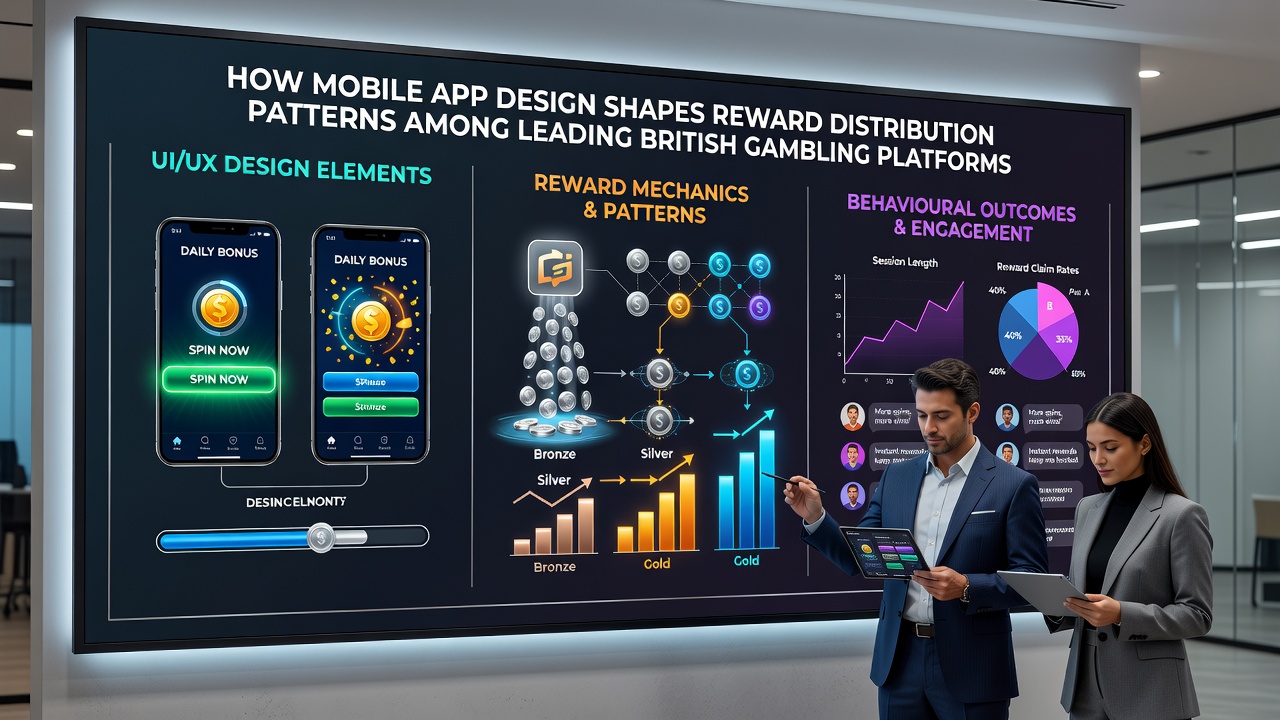
Take the case of one major operator that introduced gamified elements like streak multipliers for consecutive daily app opens. Those features prompted a measurable uptick in reward claims among younger user groups, while older segments responded better to static loyalty tiers displayed in list format. Platforms then adjust distribution models to balance these segments, ensuring rewards reach a broader range of players without overextending promotional budgets.
Impact on User Behavior and Platform Strategies
Push notification timing further refines these patterns because well-timed alerts about expiring rewards drive immediate app opens and subsequent bets. Operators report that notifications sent during evening peak hours generate twice the engagement of daytime messages, so reward systems prioritize mobile-active accounts during those windows. This creates a feedback loop where design choices inform data collection, which in turn determines future reward sizing and targeting.
Security features integrated into app design, such as biometric login options, also contribute indirectly. Faster access reduces drop-off rates during reward claim processes, and platforms respond by expanding bonus availability to verified mobile sessions. Industry organizations tracking global gambling trends note that these security-focused designs support higher volumes of distributed rewards while maintaining compliance across different jurisdictions.
Broader Industry Trends Observed in 2026
Cross-platform compatibility emerges as another consideration, since seamless transitions between mobile and desktop versions allow rewards earned on one device to carry over instantly. This continuity encourages sustained use of the app as the primary interface, shifting more of the overall reward budget toward mobile channels. Academic papers on digital interface psychology highlight how such fluid experiences strengthen habit formation, which operators then leverage to calibrate distribution frequencies.
What's notable is the role of A/B testing in ongoing app refinements. Teams run controlled experiments on button placement and color schemes, then monitor how those changes affect reward uptake metrics. Successful variants get rolled out platform-wide, and the resulting data feeds back into reward algorithms that favor designs proven to boost participation. This iterative process keeps distribution patterns dynamic and responsive to user preferences revealed through mobile interactions.
Conclusion
Mobile app design continues to guide reward distribution on British gambling platforms through deliberate choices in layout, personalization, and notification systems. As updates roll out in 2026 and beyond, the connections between interface elements and reward accessibility remain central to operational strategies. Observers tracking these developments see clear links between thoughtful design and the efficiency of how incentives reach different user groups, supported by ongoing data analysis from varied regulatory and research perspectives worldwide.